

When I first started looking into electric cars, I realized it wasn’t just about the cars themselves it was about an entirely new way of thinking about transportation.
The shift toward electric mobility isn’t a passing fad; it’s a revolution that’s reshaping the automotive industry and changing how we approach energy, efficiency, and sustainability.
At the center of this transformation is the electric vehicle system. It’s not just one part it’s a fascinating network of components that all work together to create a cleaner, smarter, and more efficient alternative to the traditional internal combustion engine.
As I dug deeper, I found myself asking the same questions many others probably have: What actually makes an electric car run? How do the different parts of the system interact with one another? And what challenges still need to be solved before electric vehicles truly dominate our roads?
What Is an Electric Vehicle System?
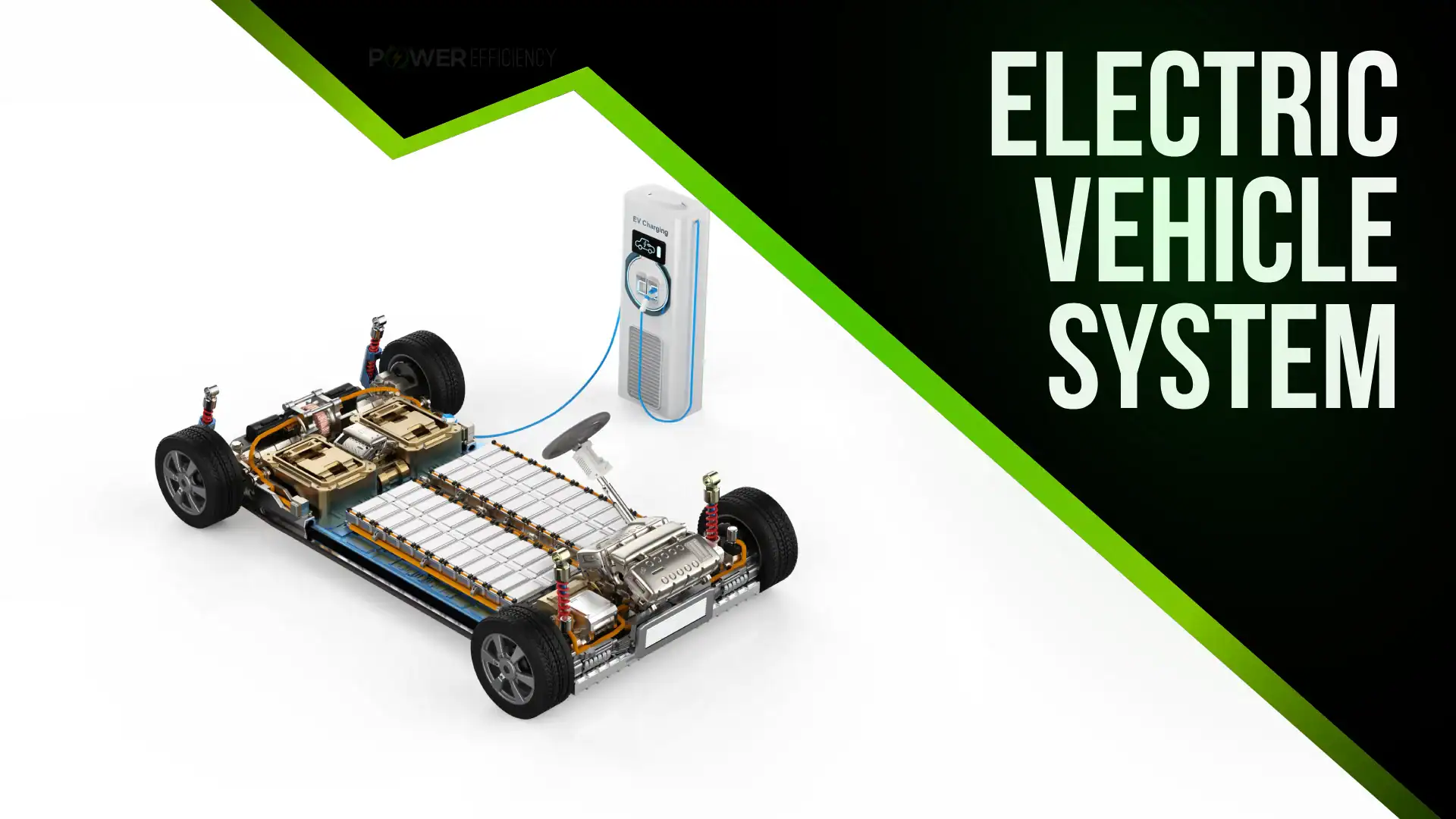
At its core, an electric vehicle system is the integrated network of hardware and software that powers, controls, and manages an electric car. Unlike traditional gasoline-powered cars, which rely on combustion and mechanical energy transfer, an electric vehicle system converts stored electrical energy into motion.
The main elements include:
- Battery Pack: The storage unit for electrical energy.
- Electric Motor(s): Converts electricity into mechanical power.
- Power Electronics Controller: Manages how energy flows from the battery to the motor.
- Charging System: Allows the vehicle to connect to external power sources.
- Thermal Management: Keeps the system operating safely within temperature ranges.
Together, these components create a highly efficient loop of energy use, where electricity replaces fuel and software takes on a larger role in performance optimization.
The Battery Pack: The Heart of the Electric Vehicle System
When people think about EVs, the battery is usually the first thing that comes to mind and for good reason. The battery pack is the largest and most expensive part of the electric vehicle system, often making up 30–40% of the car’s total cost.
Key Features:
- Lithium-Ion Technology: The most common chemistry used today, offering a balance of energy density, cost, and lifespan.
- Energy Capacity: Measured in kilowatt-hours (kWh), this determines how far the car can travel on a single charge.
- Battery Management System (BMS): An intelligent control system that monitors charging, discharging, temperature, and safety.
Without a reliable and high-performing battery, the entire electric vehicle system would fail to deliver the range and power consumers expect.
The Electric Motor: Power in Motion
If the battery is the heart, the electric motor is the muscle of the electric vehicle system. Motors are far simpler and more efficient than internal combustion engines, often achieving efficiency rates above 90%.
Types of Motors Used:
- Permanent Magnet Synchronous Motors (PMSM)
These motors are popular because of their high efficiency, compact design, and ability to deliver strong torque at low speeds.
They use powerful permanent magnets in the rotor, which makes them lightweight yet capable of producing excellent performance. Most mainstream EVs today rely on PMSMs because they balance energy use and performance so effectively.
- Induction Motors
Induction motors, sometimes called asynchronous motors, don’t rely on permanent magnets. Instead, they generate a magnetic field by inducing current into the rotor.
This design makes them incredibly durable and cost-effective, particularly for high-performance applications.
Companies like Tesla have famously used induction motors in several of their models, especially where scalability and long-term reliability are key.

Power Electronics: The Brain of the Electric Vehicle System
Between the battery and the motor sits the power electronics controller. This component is essentially the brain of the electric vehicle system, deciding how much energy to deliver at any given moment.
Functions include:
- Converting DC from the battery into AC for the motor.
- Managing regenerative braking, where kinetic energy is captured and stored back into the battery.
- Balancing power distribution to different subsystems, such as climate control and infotainment.
Without power electronics, the energy stored in the battery would remain untapped potential.
The Charging System: Refueling for the Future
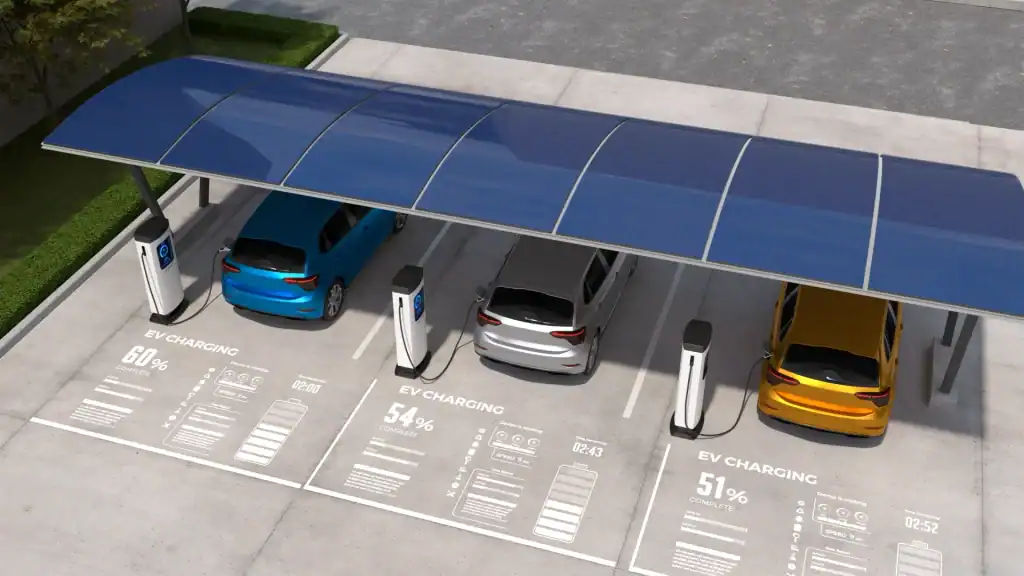
Unlike gas stations, charging infrastructure is still being developed worldwide. But the charging system inside the electric vehicle system plays a critical role in how quickly and efficiently a car can “refuel.”
Level 1 Charging, Standard home outlet (slow).
Level 2 Charging, 240V outlet, often installed at home or in public locations.
DC Fast Charging, High-voltage charging capable of adding 100+ miles of range in under 30 minutes.
The design of the electric vehicle system must be compatible with all these charging methods, while also protecting the battery from overcharging and overheating.

Thermal Management: Keeping the System Safe
High-performance batteries and motors generate heat, which can reduce efficiency or even cause damage. That’s why the thermal management system is a critical part of the electric vehicle system.
Methods used:
- Liquid Cooling: Circulates coolant around the battery pack and motor.
- Air Cooling: Less effective, but still used in some smaller EVs.
- Phase-Change Materials: Advanced technology being developed for next-gen EVs.
By keeping components at their ideal operating temperature, thermal management ensures safety, longevity, and consistent performance.
Software Integration in the Electric Vehicle System
One of the biggest differences between traditional cars and EVs is the reliance on software. Modern electric vehicle systems use advanced algorithms to:
- Optimize energy usage in real-time.
- Predict battery degradation and schedule maintenance.
- Connect to external apps and smart charging networks.
Over-the-air updates also allow manufacturers to improve vehicle performance without a trip to the dealership, something impossible with gasoline vehicles.
Advantages of the Electric Vehicle System
The rise of EVs isn’t just about being trendy it’s about genuine benefits that are reshaping the automotive landscape.
- Energy Efficiency: Electric motors are more efficient than combustion engines, often converting over 90% of stored energy into motion.
- Lower Operating Costs: Electricity is generally cheaper than gasoline, and fewer moving parts mean reduced maintenance expenses.
- Environmental Benefits: Reduced greenhouse gas emissions, zero tailpipe pollutants, and less reliance on fossil fuels.
- Performance: Instant torque, smoother rides, and quieter operation compared to conventional vehicles.
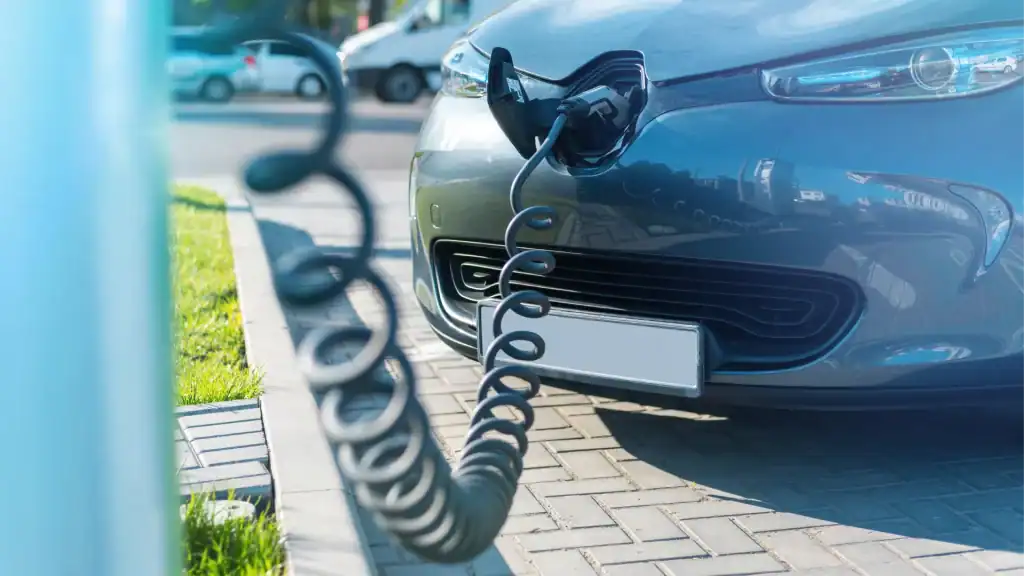
- Convenience of Home Charging: Many EV owners can charge their vehicles overnight at home, avoiding frequent trips to the gas station.
- Government Incentives: Tax credits, rebates, and lower registration fees in many regions make owning an EV more affordable.
- Reduced Noise Pollution: Electric vehicle systems are much quieter than internal combustion engines, making cities calmer and more pleasant.
- Regenerative Braking: Captures energy during braking and feeds it back into the battery, extending range and efficiency.

The Future of the Electric Vehicle System
Looking ahead, the electric vehicle system is expected to evolve rapidly.
1. Solid-State Batteries
Perhaps the most talked-about breakthrough, solid-state batteries promise to overcome many of the limitations of current lithium-ion technology. They could deliver significantly faster charging times, greater energy density, and longer lifespans.
Beyond performance, they also offer improved safety, since solid electrolytes are far less flammable than liquid ones. When solid-state batteries reach mass production, they could extend EV ranges to levels comparable with or even beyond traditional gasoline vehicles.
2. Wireless Charging
Imagine parking your car and having it automatically recharge without plugging in. Wireless charging technology is already being tested, using inductive charging pads embedded in driveways, parking spots, or even roads.
This could eliminate range anxiety and add a level of convenience that makes owning an EV more appealing to mainstream drivers. In the future, we may see entire city blocks equipped with wireless charging infrastructure.
3. Vehicle-to-Grid Technology (V2G)
One of the most transformative concepts in the electric vehicle system is turning EVs into mobile energy storage units.
With V2G technology, cars can feed electricity back into the grid during peak demand, helping stabilize power supplies and support renewable energy integration.
This two-way energy exchange could even allow EV owners to earn money by supplying stored power when the grid needs it most.
4. AI and Machine Learning Integration
Software is already a major part of the electric vehicle system, but artificial intelligence and machine learning will take it to the next level.
These technologies can learn from driving habits, road conditions, and energy availability to optimize battery usage, predict maintenance needs, and enhance safety features.
Over time, EVs will become smarter, more personalized, and more efficient, with updates delivered through over-the-air software improvements.
The Essence of Our Discussion
As I’ve explored the electric vehicle system in more detail, it’s clear that EVs aren’t just another step in automotive progress they represent a complete rethinking of how we power, maintain, and interact with our vehicles.
From the battery pack to the motor, the charging systems, and the software that ties it all together, every part of the system is designed with efficiency and sustainability in mind. It’s fascinating to see how each component has its own role yet relies on the others to create a seamless driving experience.
What excites me most is not just where electric vehicles are today, but where they’re heading. With breakthroughs like solid-state batteries, wireless charging, and AI-driven optimization, the electric vehicle system will only get smarter, safer, and more accessible.
For me, learning about EVs isn’t just about understanding how they run it’s about recognizing how they fit into a bigger picture of cleaner energy and a more sustainable future. The more I learn, the more convinced I am that EVs aren’t just the future of cars they’re the future of transportation as a whole.

